
Sahasralinga, Sirsi – The Fascinating River of a Thousand Shiva Lingas in Karnataka
Deep within the forests of Uttara Kannada lies one of Karnataka’s most unusual heritage sites. Unlike traditional temples built with stone walls and towering gopurams, Sahasralinga is found in the middle of a flowing river.
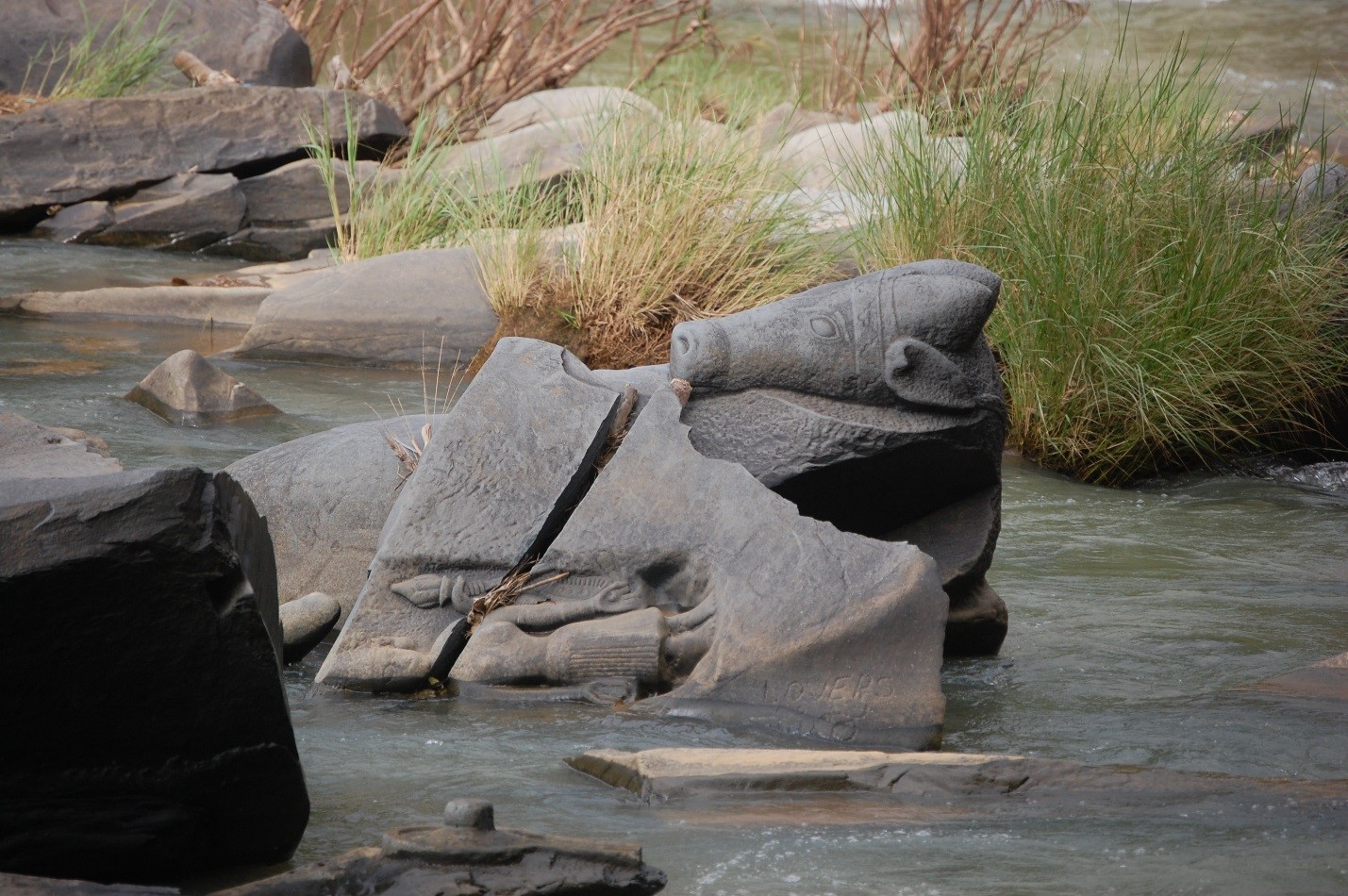
Located near Sirsi, Sahasralinga is famous for hundreds of Shiva Lingas and Nandi sculptures carved directly into the rocky bed of the Shalmala River. Surrounded by forests and peaceful countryside, it is a unique blend of spirituality, history, mythology, and nature.

What is Sahasralinga?
Sahasralinga literally translates to “a thousand lingas.”
The site consists of hundreds of Shiva Lingas carved directly into the rocks of the Shalmala River, along with numerous Nandi sculptures facing them. During summer and winter, when water levels are lower, many of these carvings become clearly visible. During monsoon, a significant portion of the carvings remain submerged beneath the river.
What makes Sahasralinga truly unique is that it is not a temple complex in the conventional sense. Instead, the entire river itself becomes the sacred site.
Not to be confused with Sahasralinga Talav in Patan, Gujarat, Sahasralinga near Sirsi is a natural riverbed where thousands of Shiva Lingas have been carved into the rocks of the Shalmala River. While Sahasralinga Talav is an ancient water reservoir showcasing medieval engineering, Sahasralinga in Sirsi is a unique pilgrimage site known for its river, forest setting, and rock carvings.
A Hidden Gem Near Sirsi
During one of my trips to Sirsi, a local suggested I visit Sahasralinga. Before I could ask much about the place, he simply smiled and said:
“You will understand what makes it special once you reach there.”
That was enough to trigger the explorer in me.
Sahasralinga is located about 15 km from Sirsi, near the village of Holagol. After driving through scenic countryside roads and patches of forest, I reached the banks of the Shalmala River.
At first glance, there was no temple in sight.
The surroundings were quiet, the river flowed gently through the forest, and there were hardly any visitors around. Wondering if I had missed the attraction altogether, I walked towards the riverbank.
That is when the surprise unfolded.
Shiva Lingas in the Middle of a River
Unlike most religious sites, Sahasralinga is located inside the river itself.
Hundreds of Shiva Lingas are carved directly onto rocks and boulders scattered across the Shalmala River. Some rise above the water, while others remain partially submerged.
The sight is unlike anything I had seen before.
As you walk along the riverbank, you begin noticing carvings everywhere:
- On rocks in the middle of the river
- Along the riverbanks
- On large boulders near the water
- Hidden between smaller rock formations
The gentle sound of flowing water combined with the surrounding greenery creates an atmosphere that feels both peaceful and mystical.

Nandis Facing the Lingas
One of the most fascinating aspects of Sahasralinga is the presence of Nandi sculptures.
In Hindu tradition, Nandi is the sacred vehicle of Lord Shiva and is almost always positioned facing the Shiva Linga.
At Sahasralinga, many of the lingas have corresponding Nandi carvings facing them. According to local belief, every linga originally had a Nandi sculpture.
Over the centuries, river currents, floods, and natural erosion are believed to have damaged or washed away some of these carvings. Even today, however, enough remain to appreciate the scale and craftsmanship of the site.

History of Sahasralinga
The origins of Sahasralinga are commonly linked to the Kadamba rulers who governed this region centuries ago.
According to local history and folklore, King Sadashivaraya was a devoted follower of Lord Shiva. It is said that he remained childless for many years and prayed fervently for an heir.
The king vowed that if his prayers were answered, he would commission the carving of a thousand Shiva Lingas.
When he was eventually blessed with a daughter, he fulfilled his promise by having numerous lingas carved into the rocky bed of the Shalmala River.
Although historians debate the exact timeline and details, the site has remained an important place of worship for centuries and continues to attract devotees and travelers alike.
Why Are There Thousands of Shiva Lingas in the River?
Many visitors wonder why the carvings were created inside a river rather than in a traditional temple.
The flowing water of the Shalmala River continuously bathes the lingas, symbolically performing an eternal abhisheka (ritual bathing) to Lord Shiva.
The combination of sacred carvings and flowing water makes Sahasralinga one of the most unique Shiva pilgrimage sites in Karnataka.
The river itself becomes an integral part of the religious experience.

The Shalmala River
The Shalmala River is one of the lesser-known rivers of Karnataka and plays a vital role in the identity of Sahasralinga.
Flowing through dense forests and rural landscapes near Sirsi, the river provides a picturesque setting for the carvings.
Water levels vary significantly throughout the year:
During Summer and Winter
- More lingas become visible
- Easier to walk around the riverbed
- Better conditions for photography
During Monsoon
- The river becomes full and fast-flowing
- Many carvings remain underwater
- The surroundings become lush green and scenic
The river is as much an attraction as the carvings themselves.

Mahashivaratri Celebrations
While Sahasralinga remains relatively quiet throughout most of the year, the atmosphere changes completely during Maha Shivaratri.
Thousands of devotees visit the site to offer prayers and perform rituals.
Outside festival periods, however, Sahasralinga remains one of the most peaceful destinations near Sirsi, often allowing visitors to enjoy the entire area without crowds.
Best Time to Visit Sahasralinga
October to February (Best Time)
This is the ideal season to visit.
Why visit during this period?
- Pleasant weather
- Lower river levels
- Better visibility of carvings
- Comfortable conditions for walking and photography
Summer
Summer also offers good visibility of the lingas because water levels remain relatively low.
Monsoon
Monsoon transforms the surroundings into a lush green paradise.
However:
- Many carvings remain submerged
- River currents become stronger
- Entering the river can be risky
How to Reach Sahasralinga
Sahasralinga is best reached by private vehicle.
Distance from Major Places
| Place | Distance |
|---|---|
| Sirsi | ~15 km |
| Gokarna | ~85 km |
| Kumta | ~65 km |
| Hubballi | ~145 km |
| Bengaluru | ~430 km |
The final stretch passes through quiet countryside roads and forested areas, making the drive enjoyable in itself.
Travel Tips
- Wear footwear with good grip.
- Avoid entering the river during monsoon.
- Carry drinking water and snacks.
- Visit early morning for the best photography conditions.
- Respect the religious significance of the site.
- Be cautious on wet rocks, especially after rains.
Places to Visit Near Sahasralinga
Unchalli Falls
One of Karnataka’s most spectacular waterfalls, where the Aghanashini River plunges nearly 380 feet into a forested gorge.
Bennehole Falls
A beautiful offbeat waterfall hidden deep inside the forests near Sirsi and ideal for trekking enthusiasts.
Yana Caves
Gigantic black limestone rock formations associated with the legend of Bhasmasura and one of Karnataka’s most fascinating geological wonders.
Gokarna
A unique combination of sacred temples, beach trekking trails, and scenic Arabian Sea coastline.
Jog Falls
One of India’s highest waterfalls and among the most popular attractions in Karnataka.
Is Sahasralinga Worth Visiting?
Absolutely.
Sahasralinga is not just another temple or another river.
It is a place where history, mythology, religion, and nature come together in a remarkably unique setting. The sight of hundreds of Shiva Lingas emerging from a flowing river is something that few travelers expect and even fewer forget.
Final Thoughts
Some destinations impress with their size. Others impress with their beauty.
Sahasralinga leaves a lasting impression because of its uniqueness.
Hidden among the forests of Uttara Kannada, this remarkable riverside shrine quietly tells stories of devotion, history, and the enduring relationship between nature and faith. For travelers exploring Sirsi and the surrounding region, Sahasralinga is one of those places that deserves far more attention than it currently receives.



Social Presence!