
Rann of Kutch — Where Silence Becomes Landscape
The Rann of Kutch is not a single destination — it is an experience spread across seasons, landscapes, and moods. Stretching across northern Gujarat near the India–Pakistan border, this vast salt desert transforms dramatically through the year: flooded during monsoon, shimmering white in winter, and starkly beautiful under endless skies.
Most travellers know only the famous white desert, but the Rann is much larger and far more layered. From fossil-rich archaeological sites to remote border villages and panoramic hilltop viewpoints, the region offers a journey into both geography and history.
This guide helps you understand the Rann of Kutch as a whole, and how its different regions connect.
Understanding the Rann: Not One, But Three Landscapes
Many travellers assume the Rann refers only to the white salt flats. In reality, it consists of multiple distinct regions, each offering a different experience.
1. The Great Rann of Kutch
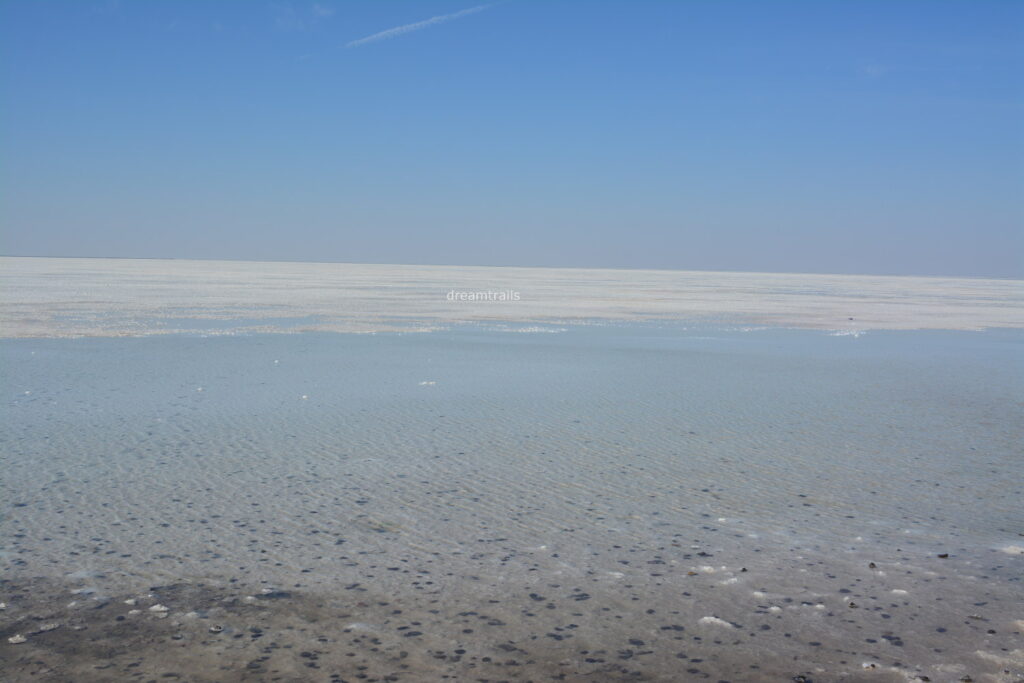
The Great Rann of Kutch is the iconic salt desert most visitors imagine — an immense seasonal marsh that turns into a white crystalline plain during winter.
Here, the horizon disappears into light. Sunrises feel meditative, sunsets glow pink and gold, and full-moon nights transform the desert into something almost surreal.
This is where travellers experience:
- The famous white salt landscape
- Winter cultural festivals
- Vast open skies and silence
The well-known White Rann area near Dhordo lies within this larger region.
2. The White Rann (Dhordo Region)
The White Rann of Kutch is the most accessible and developed section of the desert. Located near Dhordo village, this is where most first-time visitors go.
During winter, the area comes alive with cultural performances, handicrafts, and desert stays, making it ideal for travellers seeking both comfort and atmosphere.
While popular, visiting early morning or late evening still reveals moments of quiet beauty beyond the crowds.
3. The Little Rann of Kutch
The Little Rann of Kutch offers a completely different experience.
Instead of endless white salt, this region is known for:
- Wildlife safaris
- Salt pan communities
- The Indian wild ass sanctuary ecosystem
It feels raw, remote, and ecological — less about spectacle and more about understanding how life survives in extreme landscapes.
Places That Complete the Rann Experience
The magic of the Rann lies in exploring its surrounding settlements and viewpoints.
- Kalo Dungar — the highest point in Kutch, offering sweeping views across the desert.
- Dholavira — an extraordinary Indus Valley Civilization site revealing ancient urban planning in the middle of the salt desert.
- Bhuj — the cultural gateway to Kutch, known for crafts, palaces, and local markets.
- Remote villages near the border that preserve traditional Kutchi architecture and crafts.
Together, these places turn a desert visit into a deeper cultural journey.
When to Visit the Rann of Kutch
The landscape changes dramatically across seasons:
November – February (Best Time)
The desert dries into white salt flats. Cool weather, clear skies, and ideal travel conditions.
March – June
Hot and stark, but incredibly atmospheric for photographers seeking solitude.
July – September (Monsoon)
Large parts of the Rann flood, transforming into shallow wetlands — inaccessible but ecologically fascinating.
How to Plan Your Visit
Most travellers explore the Rann using Bhuj as a base.
Typical routes include:
- Bhuj → White Rann → Kalo Dungar (1–2 days)
- Bhuj → Dholavira → Great Rann landscapes (2–3 days)
- Extended journeys combining villages, desert viewpoints, and heritage sites
Distances are large, and slow travel works best here.
Why the Rann of Kutch Feels Different
The Rann does not overwhelm with monuments or busy itineraries. Instead, it invites stillness.
You notice:
- Wind moving across salt crystals
- Changing colours of the sky
- Silence stretching farther than sight
It is less about sightseeing and more about presence — a landscape that reveals itself slowly to those willing to pause.
Places to Explore Around the Rann of Kutch
The Rann is best experienced not as a single destination, but as part of a wider journey across Kutch. Each nearby town and landscape adds a different perspective — cultural, historical, or geographical — to the desert experience.
Bhuj — The Cultural Gateway to Kutch
Bhuj serves as the starting point for most journeys into the Rann. More than just a transit town, Bhuj introduces travellers to the artistic and historical identity of Kutch through its palaces, lakes, and vibrant handicraft traditions.
Exploring Bhuj helps contextualise everything you later see in the desert — from embroidery styles to architectural influences shaped by centuries of trade and migration.
Read the full Bhuj travel guide
White Rann of Kutch — The Iconic Salt Desert
The White Rann of Kutch is the most recognised part of the region — a vast white landscape that seems to merge earth and sky. Known for its surreal sunsets and moonlit nights, this area offers the classic Rann experience.
While popular during winter festivals, quieter moments can still be found early in the morning when the desert feels almost untouched.
Read the detailed White Rann guide
Kalo Dungar — Viewing the Rann from Above
Rising above the flat desert landscape, Kalo Dungar offers one of the most dramatic perspectives in Kutch. From here, the Rann stretches endlessly toward the horizon, changing colour throughout the day.
The journey itself — winding roads through stark terrain — is as memorable as the view.
Dholavira — A City Older Than History Books
Located deep within the Rann landscape, Dholavira reveals the remains of a sophisticated Indus Valley Civilization city over 4,000 years old.
Its advanced water management systems and urban planning feel astonishingly modern, especially when surrounded by today’s harsh desert environment. Visiting Dholavira adds a profound historical dimension to the Rann experience.
Explore the Dholavira travel guide
Mandvi — Where the Desert Meets the Sea
After the stark openness of the Rann, Mandvi feels unexpectedly gentle. Known for its historic shipbuilding yards, palace architecture, and quiet beaches, Mandvi offers a softer coastal contrast to the desert landscape.
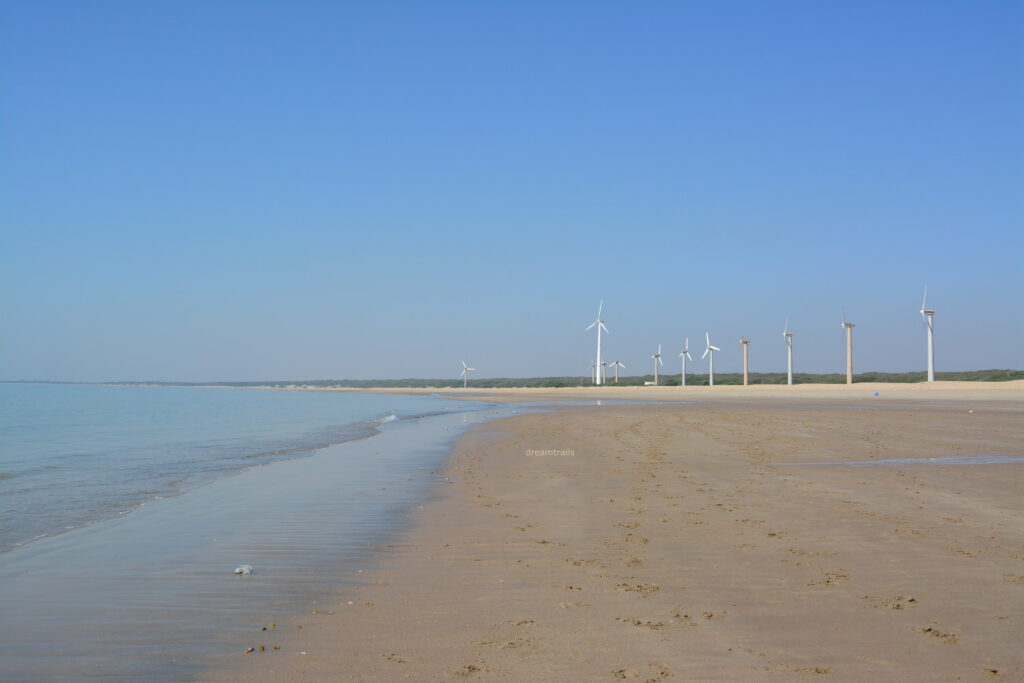
It works beautifully as a relaxing final stop after exploring northern Kutch.
Lakhpat — Silence at the Edge of the Border
Once a thriving port town, Lakhpat now stands almost frozen in time. Massive fort walls overlook vast empty landscapes, creating an atmosphere of quiet reflection.
Its isolation makes it one of the most hauntingly beautiful destinations in Kutch.



Social Presence!