


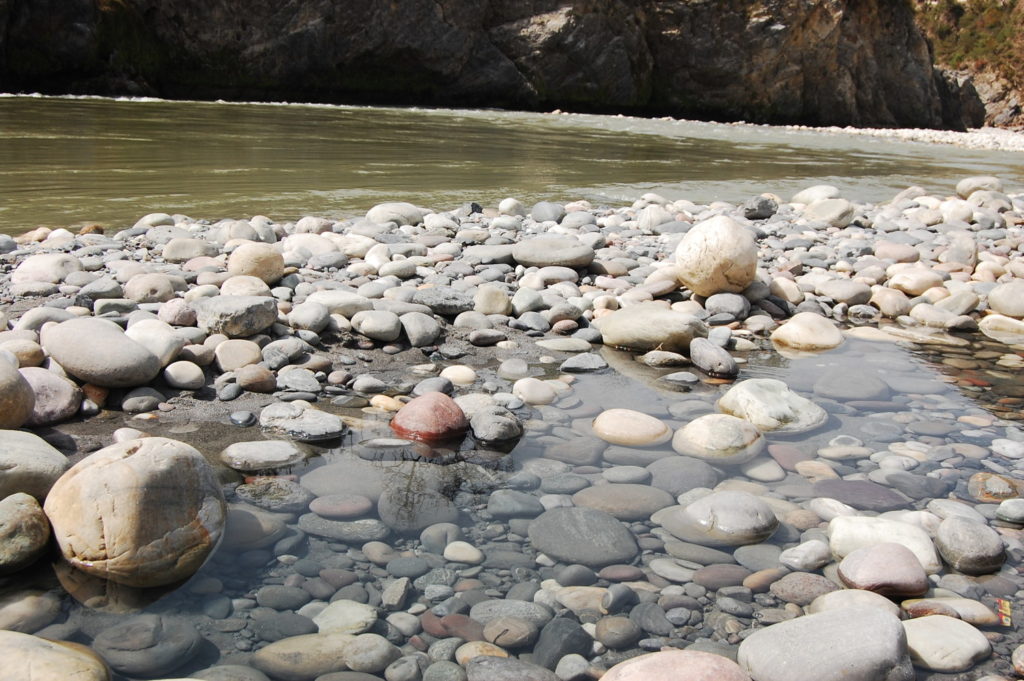
Located around 50 km from Shimla, Tattapani (also written as Tatta Pani) is one of Himachal Pradesh’s most unusual destinations. The small riverside town sits on the banks of the Sutlej River, where visitors can experience something that feels almost impossible—a dip in natural hot sulphur springs located just a few steps away from the icy-cold river water.
The name Tattapani literally means “hot water”, a reference to the geothermal springs that have attracted pilgrims, tourists, and adventure enthusiasts for generations. While many visitors come here for the believed medicinal benefits of the sulphur-rich water, others visit for river rafting, scenic mountain drives, cycling routes, trekking trails, and the peaceful surroundings of the Sutlej Valley.
Unlike the busy tourist spots around Shimla, Tattapani offers a quieter experience where nature is the main attraction. The journey itself is equally rewarding, as the road winds through forests, mountain villages, deep valleys, and panoramic viewpoints before gradually descending towards the river.
Whether you are looking for a relaxing day trip from Shimla or wish to combine adventure with sightseeing, Tattapani makes for an excellent getaway.


Why Visit Tattapani?
Tattapani offers a completely different experience from the popular hill stations around Shimla. Instead of colonial architecture or bustling markets, the attraction here lies in nature, geothermal activity, and outdoor adventures.
Some of the highlights include:
- Natural hot sulphur springs believed to have therapeutic properties
- River rafting on the Sutlej River
- One of the most scenic drives from Shimla
- Beautiful riverside landscapes and mountain views
- Adventure activities such as cycling and trekking
- Nearby attractions like Shiva Cave
Its lower elevation also gives Tattapani a noticeably different climate compared to Shimla, making it an interesting destination throughout much of the year.
The Scenic Drive from Shimla to Tattapani
One of the highlights of visiting Tattapani is the journey itself. The road from Shimla gradually leaves behind the crowded hill station and descends through quiet villages, pine forests, terraced fields, and mountain ridges overlooking deep valleys.
As you continue driving, the landscape changes dramatically. Shimla sits at an altitude of around 2,200 metres, while Tattapani lies at only about 650 metres above sea level. This significant drop in elevation brings warmer temperatures and an entirely different landscape. Dense cedar forests slowly give way to semi-arid mountain slopes before the road finally reaches the banks of the Sutlej River.

The final stretch is particularly beautiful as the road runs alongside the river, offering numerous viewpoints where you can stop for photographs or simply enjoy the peaceful surroundings. Unlike many Himalayan roads that feel rushed, this drive encourages you to slow down and appreciate the changing scenery along the way.
If you enjoy road trips, the drive to Tattapani is every bit as memorable as the destination itself.


The Famous Hot Water Springs of Tattapani
The natural hot sulphur springs are the biggest attraction in Tattapani and the reason the town derives its name.
The springs emerge naturally along the banks of the Sutlej River through underground geothermal activity. Depending on where you step, the temperature of the water can vary dramatically—from the icy cold water of the river to almost boiling hot sulphur springs just a few feet away.
Walking from the river towards the springs is a fascinating experience. One moment your feet are numb from the freezing river water, and only a few steps later you can feel the warmth of the sulphur-rich water. At some locations, the water is pleasantly warm, while at others you can actually see bubbles rising from the surface as the hot water emerges from underground.
This striking contrast between hot and cold water is what makes Tattapani one of the most unique natural attractions in Himachal Pradesh.
Can You Bathe in the Hot Springs?
For centuries, the hot sulphur springs of Tattapani have been considered sacred as well as therapeutic. Many visitors believe that bathing in these mineral-rich waters helps relieve skin problems, joint pain, muscle aches, and certain rheumatic conditions. While many people continue to visit for these believed health benefits, scientific evidence for these claims remains limited.
Taking a dip in the springs is also considered auspicious during festivals like Makar Sankranti and Magh Purnima, when thousands of devotees visit Tattapani. During these occasions, the otherwise quiet riverside town transforms into a vibrant pilgrimage destination.
One fascinating sight during the winter months is how locals create temporary bathing pools. They dig shallow pits between the cold river and the hot springs, allowing water from both sources to mix naturally. The result is a comfortable, lukewarm natural bath where visitors can soak while enjoying views of the surrounding mountains.
If you plan to bathe in the springs, wear footwear with good grip as the rocks near the river can be slippery.

The Hot Springs After the Kol Dam Project
If you’ve seen older photographs of Tattapani (including the ones on this page), you may notice that the landscape looks quite different today.
Most of the photographs in this article were taken before the Kol Dam project on the Sutlej River changed the river’s course and water levels. Once the reservoir was created, a large portion of the original riverbank where the famous hot sulphur springs emerged became submerged under water.
However, geothermal activity still continues in the region. Depending on the season and reservoir water levels, visitors can still experience natural hot sulphur springs at designated spots, although they are no longer as extensive as they once were.
This transformation makes Tattapani an interesting example of how both nature and human development have shaped the destination over time.
If your main reason for visiting is to experience the hot springs, it is a good idea to check the latest local conditions before planning your trip, as the visibility and accessibility of the springs vary with the water level.
River Rafting at Tattapani
Besides the hot springs, river rafting is the most popular adventure activity in Tattapani.
Several local operators organise rafting trips on the Sutlej River, making it an excellent destination for beginners as well as families looking for a gentle rafting experience.

Unlike rivers known for high-grade rapids, rafting here is more about enjoying the spectacular scenery than tackling extreme white-water sections. The river flows through a beautiful valley surrounded by forested hills, offering panoramic views throughout the journey.
As you drift downstream, you’ll pass suspension bridges, small mountain villages, cultivated fields, and quiet stretches of the river that are rarely crowded. The guides also provide basic paddling instructions, making the activity suitable even for first-time rafters.
Many rafting routes include a stop near the hot sulphur springs, allowing visitors to experience both of Tattapani’s major attractions in a single outing.

Adventure Activities Beyond Rafting
Tattapani has gradually evolved into a small adventure hub around Shimla.
Apart from rafting, visitors can also enjoy:
Mountain Biking
The winding mountain roads around Tattapani are popular among cyclists. Local operators organise cycling routes ranging from short scenic rides to longer trails through nearby villages such as Chindi.
Trekking
Several trekking trails begin from Tattapani and pass through forests, mountain ridges, and traditional Himachali villages. Most routes are organised by local guides and vary from easy day hikes to longer treks.

Camping
Some adventure operators also offer riverside camping experiences, where visitors can spend the night under the stars while enjoying bonfires and local cuisine.
These activities make Tattapani much more than just a destination for hot springs.
Visit Shiva Cave (Shiva Gufa)
Around 3 km from Tattapani lies Shiva Gufa, a small natural cave that is visited by both pilgrims and tourists.
The cave contains naturally formed stalactite-like limestone formations created over thousands of years by mineral-rich water dripping from the cave ceiling. Many devotees believe some of these formations resemble a Shivling, making the cave an important place of worship.
A small shrine dedicated to Lord Shiva has also been established inside the cave, and during Maha Shivaratri, the cave attracts a large number of pilgrims from nearby villages.
The cave visit usually takes less than an hour and can easily be combined with your trip to Tattapani.
Best Time to Visit Tattapani
Tattapani can be visited throughout the year, but the experience changes with the seasons.
October to March is considered the best time if your main purpose is to experience the hot sulphur springs. The cool weather makes bathing much more enjoyable, and the contrast between the cold river and the warm springs is even more noticeable.
March to June offers pleasant weather for rafting, sightseeing, cycling, and road trips.
During the monsoon (July to September), the Sutlej River often rises significantly. High water levels may submerge some of the hot springs, and rafting operations may be suspended depending on river conditions.

How to Reach Tattapani
Tattapani is located approximately 50 km from Shimla and can be reached in about 2 hours by road.
By Road
The easiest way to visit is by hiring a taxi or driving from Shimla. The scenic drive itself is one of the highlights of the trip.
Regular Himachal Road Transport Corporation (HRTC) buses also operate between Shimla and Tattapani.
By Rail
The nearest major railway station is Kalka, around 120 km away. From Kalka, you can continue by road via Shimla.
By Air
The nearest airport is Shimla Airport (Jubbarhatti), though flight connectivity is limited. Chandigarh Airport offers better connectivity and is around 170 km away.
Travel Tips
- Visit early in the day to enjoy the peaceful surroundings.
- Carry an extra set of clothes if you plan to bathe in the hot springs.
- Wear footwear with good grip near the river.
- Confirm rafting availability before your visit, especially during monsoon.
- If you’re travelling during winter weekends or festivals, expect larger crowds.
- Combine Tattapani with nearby attractions for a full-day excursion from Shimla.
Nearby Places to Visit
Shimla (50 km)
The capital of Himachal Pradesh is known for the Ridge, Mall Road, Christ Church, Jakhoo Temple, and colonial architecture. Tattapani makes an excellent day trip from Shimla.
Naldehra (Approx. 35 km)
A peaceful hill station famous for one of India’s oldest golf courses, scenic walking trails, and spectacular Himalayan views.
Chail (Approx. 65 km)
Known for the historic Chail Palace, the world’s highest cricket ground, and tranquil pine forests, Chail is another excellent destination near Shimla.
Kufri (Approx. 60 km)
A popular destination for horse rides, panoramic viewpoints, winter snowfall, and adventure activities.
Frequently Asked Questions
Is Tattapani worth visiting?
Yes. Tattapani is worth visiting for its unique hot sulphur springs, scenic drive from Shimla, river rafting, and peaceful riverside setting.
Why is Tattapani famous?
Tattapani is famous for its natural hot sulphur springs that emerge beside the cold waters of the Sutlej River. It is also known for rafting and adventure activities.
Can you still see the hot water springs?
Yes, although the Kol Dam project changed the landscape and submerged many original springs. Depending on the river level, visitors can still experience geothermal springs in designated areas.
How far is Tattapani from Shimla?
Tattapani is about 50 km from Shimla and takes around 2 hours by road.
Is river rafting available throughout the year?
Rafting is generally available outside the monsoon season. During periods of high river flow, operations may be temporarily suspended.
Planning Your Shimla Itinerary
If you’re spending 3–5 days in Shimla, Tattapani can easily be combined with other nearby destinations such as Naldehra, Chail, and Kufri. Each offers a different experience—from heritage palaces and golf courses to mountain viewpoints and natural hot springs—making them perfect additions to a Shimla itinerary.
