


The White Rann of Kutch
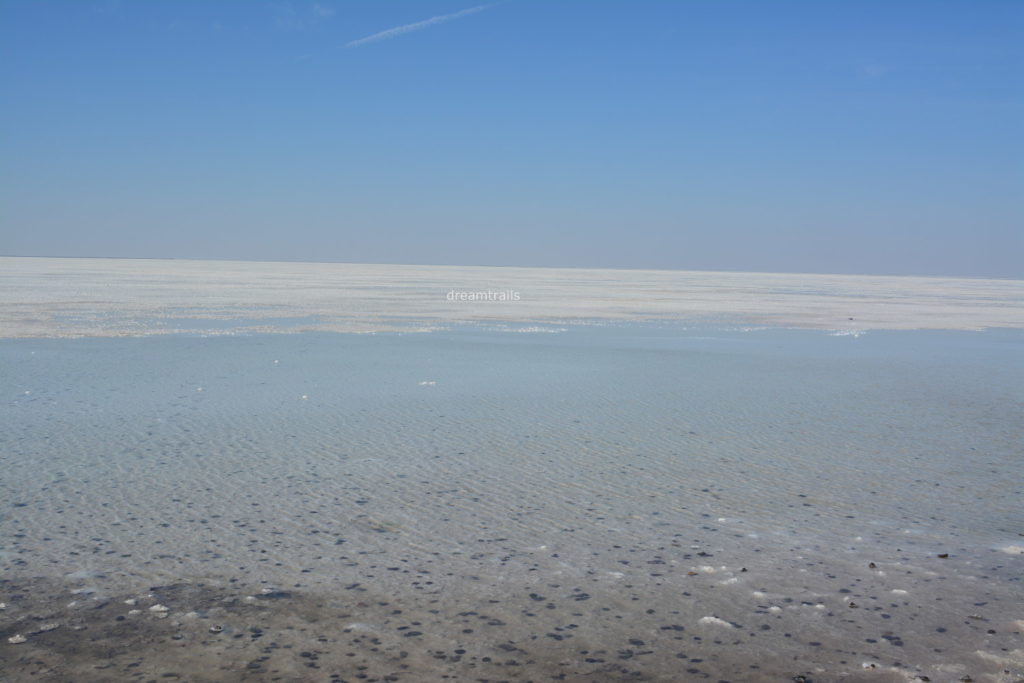
The White Rann of Kutch is one of India’s most surreal landscapes — a vast salt desert that stretches endlessly toward the horizon. Located in the Kutch region of Gujarat near the Indo-Pakistan border, it forms part of the larger Great Rann of Kutch, one of the largest salt deserts in the world.


During winter, the region transforms into a dazzling white expanse made of crystallised salt. With sky and land blending into a single horizon, the White Rann creates an almost dreamlike environment unlike anywhere else in India.

What Makes the White Rann Unique?
The word “Rann” refers to a seasonal salt marsh. While the Great Rann spreads across thousands of square kilometres between India and Pakistan, the White Rann refers specifically to the accessible salt flats near Dhordo village — the area most travellers visit.

After the monsoon waters evaporate, a thick layer of salt remains on the surface, creating the iconic white desert. Walking across this landscape feels almost unreal — the ground crunches softly beneath your feet while the endless white surroundings make it difficult to distinguish where the earth ends and the sky begins.
Walking Into the White Desert
Visitors park their vehicles at a designated area and walk along a wide pathway leading into the salt desert. The transformation of the landscape is gradual:
- Dry barren land near the entrance
- Brownish salt patches appearing slowly
- Finally, an uninterrupted white horizon
The walk itself becomes part of the experience.

If you prefer not to walk long distances, local operators offer:
- Camel rides
- Horse or pony rides
- Guided camel safaris deeper into the desert
It is advisable to negotiate prices beforehand if choosing these options.

Best Time to Visit White Rann of Kutch
Winter (November – February) — Best Season ✅
Winter is the ideal time to visit. By this time, monsoon water has evaporated completely, leaving behind the signature white salt crust.
Pleasant daytime temperatures and clear skies make sunset and moonrise particularly spectacular.

Full Moon Nights — The Magical Experience
A full moon visit is often considered the highlight of a trip to the Rann. Under moonlight, salt crystals reflect light and shimmer across the desert, creating an unforgettable atmosphere.
Walking across the glowing white landscape at night is an experience many travellers describe as surreal.
Summer (March – June)
Summers are extremely harsh, with temperatures rising close to 50°C. The intense sunlight reflecting off the salt surface can be uncomfortable, making sunglasses essential.
Monsoon (July – September)
During monsoon, parts of the desert remain covered by a thin layer of water due to rainfall and river inflow. Access may be restricted during this period.

Rann Utsav — Culture in the Desert
The Government of Gujarat organizes the famous Rann Utsav during winter, typically lasting three to four months.

A temporary tent city is set up near Dhordo village, offering visitors a chance to stay within the desert landscape itself.
Highlights include:
- Traditional Kutchi handicraft markets
- Folk music and cultural performances
- Local cuisine experiences
- Art and craft exhibitions
Local artisans showcase embroidery, block printing, pottery, wood carving, and metal crafts — skills passed down through generations.

Adventure Activities in the White Rann
Apart from sightseeing, several adventure experiences are available during peak season:
- Paragliding
- ATV (All Terrain Vehicle) rides
- Para-motoring
- Camel safaris
- Helicopter joy rides (seasonal)
Availability varies depending on tourist season and weather conditions.

Where to Stay Near White Rann
During Rann Utsav
Staying in the tent city offers the most immersive experience. Accommodation packages usually include cultural programs, meals, and guided visits.
Outside Festival Season
Accommodation options become limited near the desert. Travellers typically stay in:
- Bhuj — about 85 km away, with multiple hotels and transport options.
- Traditional mud-house stays in villages like Dhordo, where visitors can interact closely with local communities and artisans.


These village stays provide deeper insight into Kutchi culture and craftsmanship.

Entry Permit & Travel Information
Because the White Rann lies close to an international border, all visitors must obtain an entry permit.
Requirements usually include:
- Valid government ID proof
- Basic visit details at the checkpoint
Permits are checked before entering the desert area.

Sunset and Moonrise — The Highlight of the Visit
As evening approaches, visitors gather quietly to watch the desert change colours. The white surface slowly turns golden, then orange, before fading into soft twilight tones.
Shortly after sunset, the moon rises — and the desert begins to glow again, reflecting silver light across the salt crystals.
It is one of those rare landscapes where photographs struggle to capture the actual feeling of being there.
Places to Visit Near the White Rann
The White Rann is best explored as part of a larger Rann of Kutch journey. Nearby destinations include:
- Kalo Dungar — panoramic views of the Rann from above
- Mandvi — beaches and historic shipbuilding yards
- Lakhpat — a quiet historic settlement near the border
- Dholavira — an ancient Indus Valley Civilization city
- Bhuj — While most of these place can be visited as a day trip from Bhuj, you can also take a note of the Places to visit in Bhuj
Why Visit the White Rann of Kutch?
Few places offer such a powerful sense of openness and silence. The White Rann is not just a destination — it is an experience shaped by nature, culture, and vastness.
Whether watching the sunset melt into the horizon or walking across the glowing salt desert under moonlight, the White Rann leaves an impression that stays long after the journey ends.

Sometimes, the only way to understand its beauty is simple:
Visit — and experience it yourself.

