


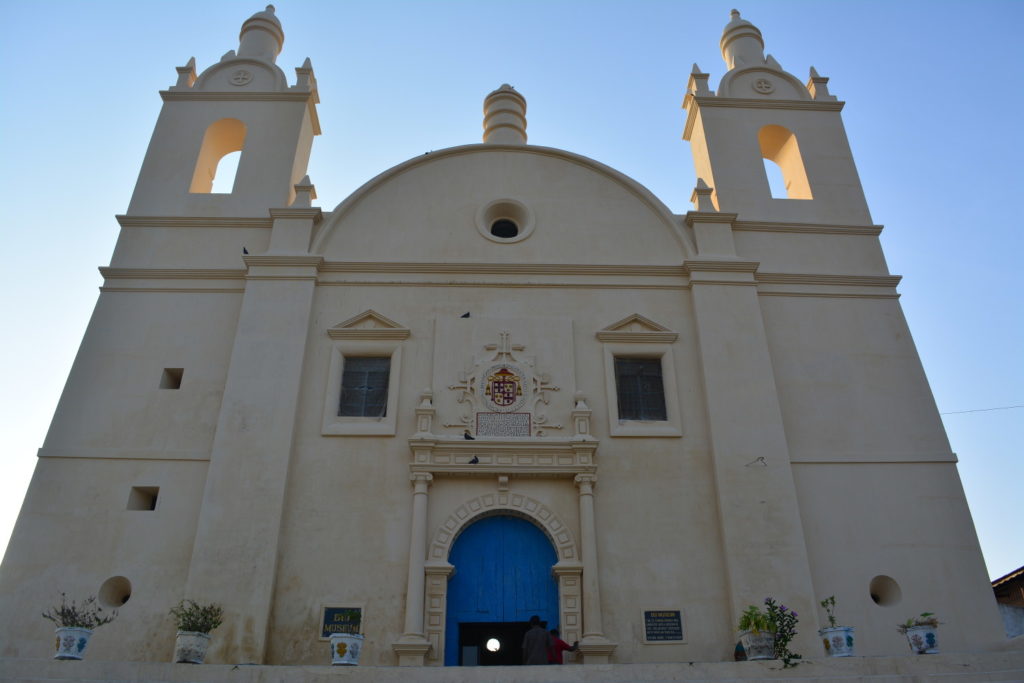
Diu Museum – Portuguese Heritage Preserved Inside a Historic Church
While most visitors come to Diu for its beaches and the magnificent Diu Fort, the Diu Museum offers an excellent opportunity to understand the island’s Portuguese past. Housed inside the historic St. Thomas Church, the museum showcases a fascinating collection of stone inscriptions, wooden carvings, religious sculptures, antique idols, and archaeological artifacts that reflect Diu’s rich cultural heritage.


Originally built by the Portuguese in the late 16th century, St. Thomas Church served as a place of worship before being converted into a museum in 1998. Today, it stands as one of Diu’s important heritage attractions, allowing visitors to admire both the architecture of the former church and the historical treasures preserved inside.
Although relatively small, the museum is worth visiting if you enjoy history, architecture, or wish to learn more about Diu beyond its beaches and forts.
History of Diu Museum
The building that now houses the Diu Museum was originally St. Thomas Church, built by the Portuguese around 1598. It was one of the three major churches constructed during Portuguese rule in Diu and served as an important place of worship for several centuries.
Following the end of Portuguese rule, the church gradually ceased functioning as a parish church. To preserve both the historic structure and the island’s growing collection of archaeological artifacts, the building was restored and converted into the Diu Museum in 1998.
Today, the museum preserves an important part of Diu’s colonial history while showcasing archaeological finds, sculptures, inscriptions, and religious artifacts from different periods.
St. Thomas Church Architecture
Although it now functions as a museum, the building still retains much of the charm of the original St. Thomas Church. The Portuguese-era architecture is evident in its elegant façade, lofty ceilings, arched windows, and spacious interiors, making the structure itself one of the museum’s biggest attractions.
Visitors often admire the church long before exploring the exhibits inside. The blend of Gothic-inspired architectural elements with Portuguese design reflects the craftsmanship of the late 16th century and offers a glimpse into Diu’s colonial heritage.
The successful conversion of St. Thomas Church into a museum has ensured that this historic landmark continues to be preserved while remaining accessible to visitors interested in both history and architecture.
Things to See at Diu Museum
Although compact, the museum houses an interesting collection of exhibits.
Historic St. Thomas Church Building
The museum itself is one of the highlights. Even before entering, visitors can appreciate the Portuguese architecture, elegant façade, tall arches, and peaceful surroundings.

Stone Inscriptions
Several ancient stone inscriptions collected from different parts of Diu provide glimpses into the island’s historical and cultural evolution.
Religious Sculptures
The museum displays numerous statues of saints, religious figures, and Portuguese-era sculptures that once adorned churches across Diu.

Wooden Carvings
Intricately carved wooden panels, furniture, and decorative elements showcase the craftsmanship of the Portuguese period.
Archaeological Artifacts
Various excavated objects including pottery, coins, sculptures, and historical relics help narrate Diu’s rich past.


Evening Illumination
One of the most attractive sights is the illuminated museum after sunset. Colourful lighting enhances the beauty of the old church building, making it an excellent photography spot.
Garden Opposite the Museum
A small landscaped park with fountains opposite the museum offers a pleasant place to relax while enjoying views of the illuminated building during the evening.

Best Time to Visit
The museum can be visited throughout the year.
If possible, visit in the late afternoon so that you can explore the exhibits during daylight and enjoy the beautifully illuminated exterior after sunset.
Entry Fee
The entry fee is nominal, making it an inexpensive attraction for visitors interested in history and heritage.
Photography
Photography is generally allowed in the museum premises, although flash photography inside certain galleries may be discouraged. The illuminated exterior during the evening is particularly popular among photographers.
How Much Time is Required?
Most visitors spend 30–45 minutes exploring the museum.
History enthusiasts may take longer to examine the exhibits in detail.
How to Reach Diu Museum
The museum is centrally located in Diu Town and is easily accessible from all major attractions.
Approximate distances:
| Place | Distance |
|---|---|
| Diu Fort | 250 m |
| St. Paul’s Church | 450 m |
| Naida Caves | 700 m |
| Diu Bus Stand | 1 km |
| Ghoghla Beach | 5 km |
| Nagoa Beach | 8 km |
| Diu Airport | 7 km |
Nearby Places to Visit
Diu Museum is located in the heart of Diu town, making it easy to combine with several other attractions during the same visit.
Diu Fort
Just a short walk from the museum, the magnificent Diu Fort is one of the island’s most iconic landmarks, offering spectacular sea views, historic bastions, and centuries of Portuguese history.
St. Paul’s Church
Known for its magnificent Baroque architecture and intricate wooden interiors, St. Paul’s Church is the only active Portuguese-era church in Diu and one of the island’s must-visit heritage attractions.
Naida Caves
Located close to Diu Fort, the fascinating Naida Caves are a maze of naturally formed rock formations and narrow passages that are especially beautiful when sunlight filters through the openings.
INS Khukri Memorial
Perched along the coastline, the INS Khukri Memorial commemorates the brave sailors of INS Khukri and offers panoramic views of the Arabian Sea, particularly during sunset.
Ghoghla Beach
If you’re looking to relax after exploring Diu’s heritage attractions, Ghoghla Beach offers a peaceful stretch of golden sand, gentle waves, and a less crowded atmosphere.
Nagoa Beach
The most popular beach in Diu, Nagoa Beach is the perfect place to enjoy water sports, beachside cafés, and a leisurely walk along the palm-lined shoreline.
Travel Tips
- Visit along with Diu Fort and St. Paul’s Church for a half-day heritage walk.
- Read the information boards beside the exhibits to better understand Diu’s Portuguese history.
- Evening visits are rewarding if you wish to photograph the illuminated building.
- Carry drinking water during summer as Diu can get quite hot.
Planning a Trip to Diu?
This attraction is one of the many places worth visiting in Diu. If you’re planning a trip, don’t miss our complete Diu Travel Guide, where you’ll find all the major attractions, suggested itineraries, travel tips, beaches, churches, forts, museums, and practical information to help you plan the perfect Diu getaway.
→ Read our complete guide to the best Places to Visit in Diu
Final Thoughts
Diu Museum may not be the island’s biggest attraction, but it adds an important historical perspective to any visit. Housed inside the beautiful St. Thomas Church, the museum preserves centuries of Portuguese influence through sculptures, inscriptions, archaeological finds, and religious artifacts. If you enjoy history, architecture, or simply wish to explore a quieter side of Diu, this museum is well worth including in your itinerary.